ISSR CLASSES
Checkpoint Science
iGCSE Chemistry
iGCSE Physics
iGCSE Coordinated Science
A-Level Chemistry
PRACTICALS
Practicals Home
Practicals A-Z
Study Plan for Practical Work
Crystallization
|
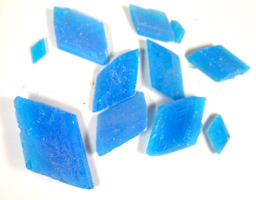
This is the process by which crystals are formed. This can be from a pure liquid on cooling, or more commonly from a solution. We shall usually be starting from an aqueous solution of a salt. This needs heating to drive off some of the water as steam. If it is heated too much, all the water will be driven off and one large lump of anhydrous powder will be formed. If it is not heated enough, then when the solution is allowed to cool, the salt will remain in solution and no crystals will form. |
|
|
|
Getting this heating stage correct involves a certain degree of skill. It can be done by trial and error - if no crystals form heat it some more, but this can take some time. It is better to test the hot solution by dipping a glass rod in it and lifting it out so that a drop of solution is drawn out. This drop quickly cools and, if it is ready, small crystals will form and cause the drop to look cloudy. A thin layer of crystals may also be seen forming on the glass rod. |
|
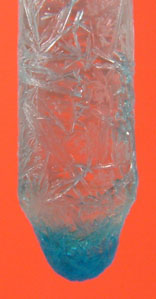
Once the solution is ready, it is allowed to cool. As it cools, the solubility of the crystals will fall and they will come out of the solution - this is the process of crystallization. You may find it interesting to watch a time lapse film of this process. Once the crystals have formed they can be filtered off from the remaining solution and patted dry between filter papers.
Video - time lapse of salt crystallization