ISSR CLASSES
Checkpoint Science
iGCSE Chemistry
iGCSE Physics
iGCSE Coordinated Science
A-Level Chemistry
PRACTICALS
Practicals Home
Practicals A-Z
Study Plan for Practical Work
|
|
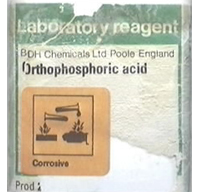
A chemical that removes the elements of water from a compound. Phosphoric acid is useful for the dehydration of an alcohol to form an alkene. The following equation shows the dehydration of cyclohexanol to cyclohexene:
|
|
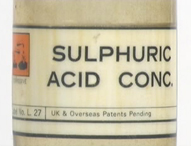
Concentrated sulfuric acid is a powerful dehydrating agent. It is not always preferred as a number of side reactions can also take place. The dehydration of sucrose to give carbon and steam in a highly exothermic reaction is worth a look: Video - dehydration of sucrose by concentrated sulfuric acid |
|
The reaction is a complicated one, producing many different products. You can smell some of these products as the reaction proceeds. They have the smell of caramel, unfortunately often covered up by the smell of sulfur dioxide produced from the sulfuric acid. Heating sugar causes a thermal decomposition reaction very similar to the dehydration reaction above. This is the method for producing caramel (though heating is stopped before the black carbon stage is reached!). We often simplify the reaction, showing the two main products seen in the video, that is water and carbon. For example, with sucrose:
|
C12H22O11(s) ⇒ 12C(s) + 11H2O(g) |