ISSR CLASSES
Checkpoint Science
iGCSE Chemistry
iGCSE Physics
iGCSE Coordinated Science
A-Level Chemistry
PRACTICALS
Practicals Home
Practicals A-Z
Study Plan for Practical Work
It is often necessary to draw a diagram of some apparatus that you have used. The quality of student diagrams varies enormously.
|
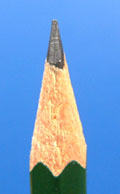
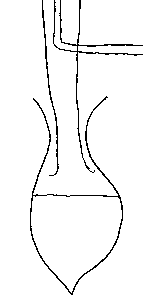
The drawing you make should be a diagram and not a picture. You should have a two dimensional, cross section of the apparatus used - that is a slice through the centre of the apparatus. It does not have to be perfect, but it should be clear and free from obvious errors. Using a sharp pencil and a small ruler will improve the quality of your diagram greatly. Always label your diagram, preferably in ink. This improves clarity and identifies any item that is not obvious from your drawing. |
|
|
|
An apparatus which wouldn't work will not gain credit in an assessment. Common errors include having large gaps between Quickfit joints (through which gases could escape), delivery tubes that go through the side of a glass trough and having completely sealed, heated glassware (it will explode!). |
|
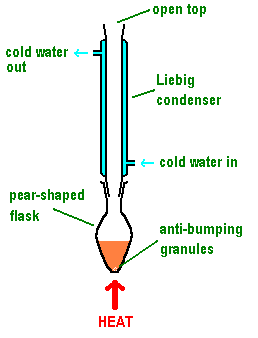
Do not draw pictures of Bunsen burners or clamps. A Bunsen burner can be represented by an arrow, labelled heat. A clamp can be represented by a pair of crosses. Make sure that any glass tubes do not pass through the side of glass containers or are obstructed by any bungs. |
|
The following example is the apparatus used for the dehydration of propan-1-ol:

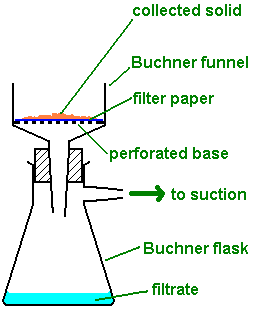
You should be able to draw diagrams for collecting over water (above), distillation, fractional distillation, heating under reflux and suction filtration.