ISSR CLASSES
Checkpoint Science
iGCSE Chemistry
iGCSE Physics
iGCSE Coordinated Science
A-Level Chemistry
PRACTICALS
Practicals Home
Practicals A-Z
Study Plan for Practical Work
Immiscible liquids
|
|
These are liquids that do not mix. A common example is oil and water, where the oil forms a separate layer floating on top of the water. |
|
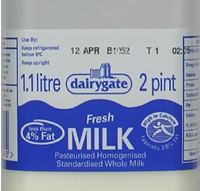
When two immiscible liquids are shaken together they will form an emulsion. An emulsion consists of tiny droplets of one liquid suspended in another. Milk is the commonest example of an emulsion. Organic liquids are often contaminated with water, and the resulting emulsion makes them look milky. A stable emulsion can be formed using an emulsifying agent (you often see these on the packet labels of dairy products). These will not separate into their constituent liquids. |
|