ISSR CLASSES
Checkpoint Science
iGCSE Chemistry
iGCSE Physics
iGCSE Coordinated Science
A-Level Chemistry
PRACTICALS
Practicals Home
Practicals A-Z
Study Plan for Practical Work
|
|
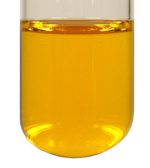
Primary and secondary alcohols are oxidized when heated with acidified sodium (or potassium) dichromate solution. The associated orange to green colour change can be used as a test for these alcohols. However, other substances (like aldehydes) can also be oxidized by the same reagent, so it is not an exclusive test. If you carry out this test beware of bumping. Tertiary alcohols are not readily oxidized and so will give a negative result with this test. |
An alternative test for an alcohol is the addition of a little solid phosphorus pentachloride. A reaction takes place readily producing a chloroalkane and releasing hydrogen chloride gas. The gas can be identified as it forms steamy fumes and turns damp blue litmus red. Primary, secondary and tertiary alcohols all give a positive result with this test. I much prefer the first test. Phosphorus pentachloride is a hazardous chemical. It also reacts with carboxylic acids giving off the same gas. It reacts violently with water also giving off hydrogen chloride gas. HCl is usually detected when the lid is removed from the bottle and reaction occurs with damp air. The possibility of a wrong conclusion is therefore quite high. Without further information, a positive result only indicates the presence of an alcohol or carboxylic acid.
Video - the reaction of ethanol with phosphorus pentachloride